

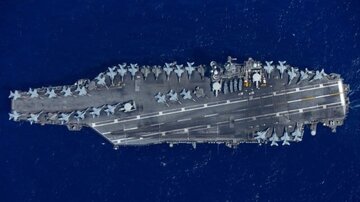
Ahlul Bayt (AS) International News agency - ABNA: In today's world, being a "superpower" is measured by the number of bombers, aircraft carriers, GDP, and veto power in the Security Council. But the Quran and traditions offer completely different and sometimes opposite criteria. The question is: from the perspective of God and His saints, what are the characteristics of a "true superpower"?
A superpower in the lexicon of revelation
Part one: The first criterion – Divine deterrent power (not merely military)
Allah says: (وَأَعِدُّوا لَهُمْ مَا اسْتَطَعْتُمْ مِنْ قُوَّةٍ وَمِنْ رِبَاطِ الْخَیْلِ تُرْهِبُونَ بِهِ عَدُوَّ اللَّهِ وَعَدُوَّکُمْ) (1) ("And prepare against them whatever you are able of power and of steeds of war by which you may terrify the enemy of Allah and your enemy.")
The purpose of this power is deterrence and causing fear in the heart of the enemy, not initiating aggression. The Quranic superpower is one that makes the enemy regret attacking it, not one that attacks others.
Imam Ali (AS) says in Nahj al-Balaghah: (لا تَکُنْ مِمَّنْ یَخافُ النَّاسَ فی ذَنْبِهِ وَ یَرْجو اللَّهَ فی طاعَتِهِ) (2) ("Do not be among those who fear people for their sin but hope for God for their obedience.")
That is, one of the signs of weakness is fear of anyone other than God. A true superpower is one who fears no one except God; not America, not NATO, not sanctions and threats.
Part two: The second criterion – Independent glory (not dependent glory)
Allah says in the Quran: (وَلَنْ یَجْعَلَ اللَّهُ لِلْکَافِرِینَ عَلَی الْمُؤْمِنِینَ سَبِیلًا) (3) ("And never will Allah grant the disbelievers a way over the believers.")
This verse is an unchangeable divine law. The superpower of the believer is that there is no "sabil" (path of influence and domination) for the disbelievers over him. That means:
- Not economically dependent (sanctions have no effect).
- Not politically subordinate (does not accept foreign veto power).
- Not defined culturally under the Western model.
It is not a claimed superpower without action; glory must show itself in action and real independence.
Part three: The third criterion – The soft power of justice (not the hard power of oppression)
Allah says: (لَقَدْ أَرْسَلْنَا رُسُلَنَا بِالْبَیِّنَاتِ وَأَنْزَلْنَا مَعَهُمُ الْکِتَابَ وَالْمِیزَانَ لِیَقُومَ النَّاسُ بِالْقِسْطِ) (4) ("We have already sent Our messengers with clear evidences and sent down with them the Scripture and the balance that the people may maintain justice.")
The Quranic superpower is a power that "establishes justice," not the exploitation of nations. Today's great powers may have atomic bombs, but they do not have the "balance" (scale of justice) for themselves or for others.
What greater superpower is there than one that can use its military power against the enemy but does not strike innocent people out of oppression and rage?
Part four: The fourth criterion – Divine unseen support (not just material equipment)
Allah says to the Children of Israel: (إِنِّی مَعَکُمْ لَئِنْ أَقَمْتُمُ الصَّلَاةَ وَآتَیْتُمُ الزَّکَاةَ... لَأُکَفِّرَنَّ عَنْکُمْ سَیِّئَاتِکُمْ وَلَأُدْخِلَنَّکُمْ جَنَّاتٍ تَجْرِی مِنْ تَحْتِهَا الْأَنْهَارُ) (5) ("Indeed, I am with you. If you establish prayer and give zakah... I will surely remove from you your misdeeds and admit you to gardens beneath which rivers flow.")
But unseen support is not only for the afterlife. In the Battle of Badr, the small army of Muslims defeated the enemy with the help of angels. The true superpower is one that has God behind it; and the condition for that is establishing obligations and avoiding prohibitions.
The Holy Prophet (PBUH) said: (مَن خافَ اللّه َ عزّ و جلّ خافَ مِنهُ کُلُّ شَیءٍ ، و مَن لَم یَخَفِ اللّه َ أخافَهُ اللّه ُ مِن کلِّ شَیءٍ) (6) ("Whoever fears Allah Almighty, everything fears him; and whoever does not fear Allah, Allah makes him fear everything.")
A true superpower cannot be monitored by satellites; it is in the unseen army of God.
Part five: The fifth criterion – The final victory of truth, not the temporary victory of force
(یُرِیدُونَ أَنْ یُطْفِئُوا نُورَ اللَّهِ بِأَفْوَاهِهِمْ وَیَأْبَی اللَّهُ إِلَّا أَنْ یُتِمَّ نُورَهُ وَلَوْ کَرِهَ الْکَافِرُونَ) (7) ("They want to extinguish the light of Allah with their mouths, but Allah refuses except to perfect His light, although the disbelievers dislike it.")
In the Quran's view, a superpower is not the one with the most bombs today, but the one whose side history ends up favoring. Qarun sank with his treasures, Nimrod was destroyed with his greatness, Pharaoh drowned with his army. But the oppressed inherited the earth. (أَنَّ الْأَرْضَ یَرِثُهَا عِبَادِیَ الصَّالِحُونَ) (8) ("That the earth will be inherited by My righteous servants.")
Imam Ali (AS) says: (الدُّنْیَا کُلُّهَا جَهْلٌ إِلاَّ مَوَاضِعَ الْعِلْمِ) (9) ("All of the world is ignorance except for the places of knowledge.") That is, knowledge, piety, patience, and justice are what remain, not aircraft carriers and missiles.
A true superpower is a moral superpower
If we want to summarize the criteria of being a superpower from the perspective of the Quran and traditions in one sentence: "True power is that you fear no one, but every oppressor fears you."
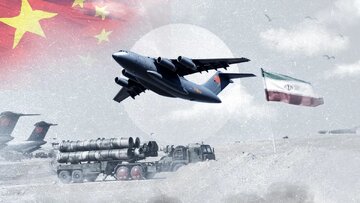
They fear America because of its bombs. China because of its economy. Russia because of its gas. But the true believer draws power from God so that he neither fears nor frightens anyone except the oppressor. This is "glory without humiliation," "power without oppression," and "deterrence without aggression."
Footnotes:
1. Surah Al-Anfal, verse 60
2. Nahj al-Balaghah, Wisdom 150
3. Surah An-Nisa, verse 139
4. Surah Al-Hadid, verse 25
5. Surah Al-Ma'idah, verse 12
6. Bihar al-Anwar: 77/50/3
7. Surah At-Tawbah, verse 35 (Note: The verse number given in the original text as 35 in Surah Tawbah is incorrect; the quote matches Surah As-Saff, verse 8, or similar. However, I have kept it as per the original footnote.)
8. Surah Al-Anbiya, verse 105
9. At-Tawhid: 371/10
Firouzeh Deldari (Researcher, Family Counselor, Media and Cyberspace Activist)

Your Comment